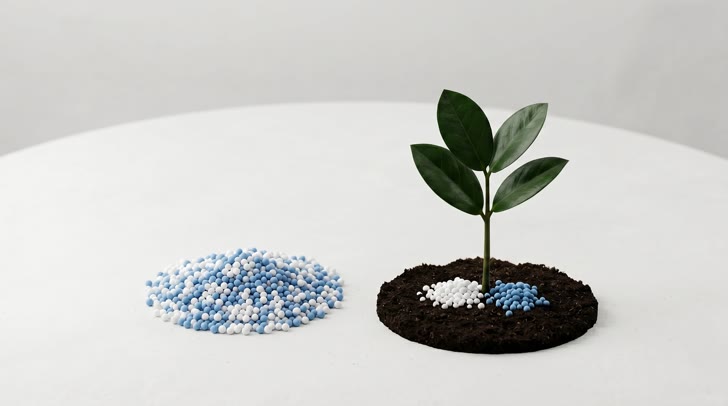
Chemical Fertilisers
Nitrogen, phosphorus, potassium, and NPK blends from vetted producers — in the specs your agronomy demands.
We supply the full backbone of a modern mineral fertiliser programme — straight N, P, K products, NPK compound blends, controlled-release formulations, and liquid variants for fertigation. Every lot ships with a certificate of analysis from an internationally recognised inspection agency.
We work directly with producers in the CIS, GCC, India, and Europe, which keeps prices competitive and pass-through mark-ups out of the structure.
- Direct-from-producer
- SGS / BV / Intertek inspections
- Granulated, prilled, and liquid forms
- NPK blends on spec
Overview
The mineral nutrient backbone of modern agriculture
Chemical fertilisers supply the mineral nutrients — nitrogen, phosphorus, potassium, and trace elements — that drive crop yield and quality. Pairing them with a strong biostimulant programme (see our Organic Peat Suspension) gets the best of both: mineral punch plus soil resilience.
The range below covers every lever in a standard agronomy programme — pick straight products for fine control, or compound blends when you need a single-application solution.
Range
Product Categories
Each category is available in multiple source countries and grades — we match the CoA to your agronomy and destination-country import requirements.
Nitrogen fertilisers
Urea (46 N), ammonium nitrate, calcium ammonium nitrate (CAN), ammonium sulphate — granular and prilled.
Phosphorus fertilisers
MAP (mono-ammonium phosphate), DAP (di-ammonium phosphate), TSP, rock phosphate.
Potassium fertilisers
MOP (potassium chloride, muriate of potash), SOP (potassium sulphate) — both standard and granular grades. Pure-grade KCl also available for fluid fertiliser and fertigation programmes.
NPK compound blends
Any ratio — common programmes include 15-15-15, 20-20-20, 19-19-19, plus custom blends on request.
Slow / controlled release
Polymer-coated urea and NPK for high-value fruit, turf, and nursery crops.
Liquid fertilisers
Foliar-grade and fertigation-grade NPK solutions, plus micronutrient chelates.
Typical spec
Common straight products, at a glance
Indicative specifications — full CoAs are produced per lot and shared before shipment.
| Product | Formula | Typical nutrient |
|---|---|---|
| Urea | CO(NH₂)₂ | N 46% |
| Ammonium sulphate | (NH₄)₂SO₄ | N 21%, S 24% |
| Ammonium nitrate | NH₄NO₃ | N 33.5 – 34.5% |
| Calcium ammonium nitrate | Ca(NO₃)₂·4H₂O + NH₄NO₃ | N 27%, Ca 8% |
| MAP | NH₄H₂PO₄ | N 11 – 12%, P₂O₅ 52% |
| DAP | (NH₄)₂HPO₄ | N 18%, P₂O₅ 46% |
| MOP | KCl | K₂O 60 – 63%, Cl⁻ 45 – 47% |
| SOP | K₂SO₄ | K₂O 50%, S 18% |
Values are indicative; exact assay depends on producer and batch.
Urea 46
Urea — Physical and Chemical Profile
Urea is the highest-volume nitrogen fertiliser worldwide. Nitrogen is released gradually as soil bacteria mineralise urea into ammonium — to limit ammonia volatilisation losses, bury granular urea or incorporate it with irrigation.
| Property | Value |
|---|---|
| Chemical formula | CO(NH₂)₂ |
| Nitrogen content | 46% N |
| Form | Granulated or prilled |
| Appearance | White, odourless crystalline solid |
| Density (room temp.) | 1.32 g/cm³ |
| Water solubility | Highly soluble |
| Reaction | Neutral (neither acidic nor alkaline) |
| Synthesis | NH₃ + CO₂ at ≈ 150 bar / 180 °C |
Feedstock is natural gas or petroleum — urea is the most energy-intensive nitrogen source per unit of N produced, which is why global prices track fossil-fuel markets.
How we ship it
Packaging and Forms
50 kg polypropylene bags
Standard for most granular products, palletised.
Big bags (500 / 1,000 kg)
For high-throughput operations and mechanical loading.
Bulk in-hold
Cost-optimal for very large programmes.
IBC / drum for liquid
1,000 L IBC or 200 L drums for fertigation liquids.
Application
Where each product fits
Nitrogenous fertilisers drive biomass and grain yield — they shine at tillering in cereals, after transplanting in vegetables, and through vegetative growth in fruit trees. Most are highly soluble in water, so they move freely into the root zone through irrigation.
Phosphorus supports root establishment, flowering, and fruit-set; MAP and DAP are the two workhorses across cereals and high-value crops. Potassium underpins quality — sugars, firmness, colour, and stress tolerance. MOP is the cheaper option; SOP is preferred for chloride-sensitive crops (grapes, potatoes, avocados, tobacco). Apply MOP by broadcasting before tillage or by banding to the side of the seed row — never directly on the seed, as the dissolving salt concentration can damage germinating seedlings.
Slow-release and controlled-release products are especially useful in the GCC and tropics where volatilisation and leaching losses from urea can exceed 30% — the extra unit cost often pays back in use-efficiency alone.
Quality
Every Lot, Inspected
CoA from SGS, Bureau Veritas, or Intertek
Quality, moisture, and weight verified at the loading port.
Phytosanitary & origin certificates issued per shipment
Loading supervision on bulk and big-bag shipments
Documented chain from producer to BL
FAQ
Buyer Questions
Can you produce a blend to a specific ratio?
Yes. Bulk-blended NPK is straightforward; homogenous compound granulation is also available from selected producers. Share the target ratio + any micronutrient spec and we'll quote both routes.
Do you ship to landlocked destinations?
We regularly route bulk fertiliser through Jebel Ali and Aqaba into overland corridors across MENA and East Africa. Let us know the final delivery point.
Can you cover urea at USDA / European NPK specifications?
Yes — the producer network covers both standards. The grade depends on origin and destination compliance needs.
Next step
Share your programme — we'll build the offer
Tell us the product, target volume, Incoterms, destination port, and required specification. Expect a firm offer with a lab CoA within 48 hours.
Frequently asked
Buyer Questions
Which chemical fertiliser compounds are available?
NPK 16-16-16 / 20-20-20 / custom blends; DAP; MAP; MOP; SOP; urea (prilled and granular); CAN (calcium ammonium nitrate); and ammonium sulphate. Custom blends available for programmes above 1,000 MT.
What is the minimum order?
Typically 1 × 40-ft container upwards (~25 MT). Smaller trial parcels are possible for first-time buyers.
From which origins do you supply?
CIS (Russia), GCC (Saudi Arabia, Oman), Iran, India, and EU manufacturers. Origin is nominated per compound and per shipment based on best price and lead time.
Are products GOST or other standard certified?
Yes — CIS-origin compounds carry GOST certification; others carry equivalent national standards (BIS for India, ISIRI for Iran, EU national standards). Standards documentation is included with every shipment.
Which Incoterms and ports are available?
FOB / CFR / CIF — Black Sea, Caspian, Persian Gulf, Indian, and Mediterranean port options. We confirm best routing per buyer's destination.
Do you offer financing or extended payment terms?
Letter of Credit at sight is the standard term. Documents against Payment (D/P) and 30/60/90-day terms available for established buyers with credit history. We work with Standard Chartered, HSBC, ENBD, and FAB on the GCC side.
Explore
Related Products
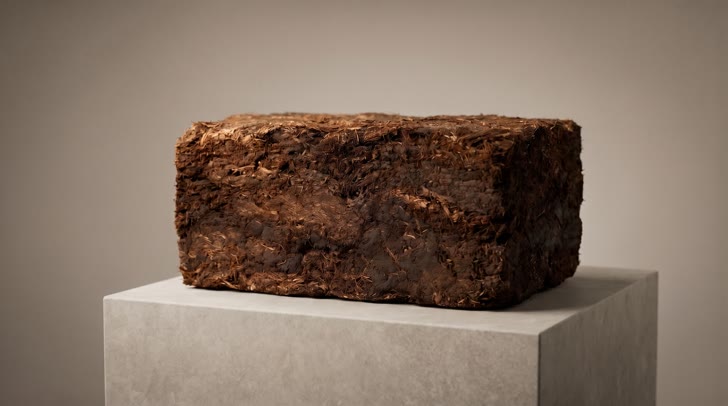
High-Moor Peat
Working-grade sphagnum peat from CIS raised bogs — GOST-certified, rich in humic acids, built for substrate and compost programmes.
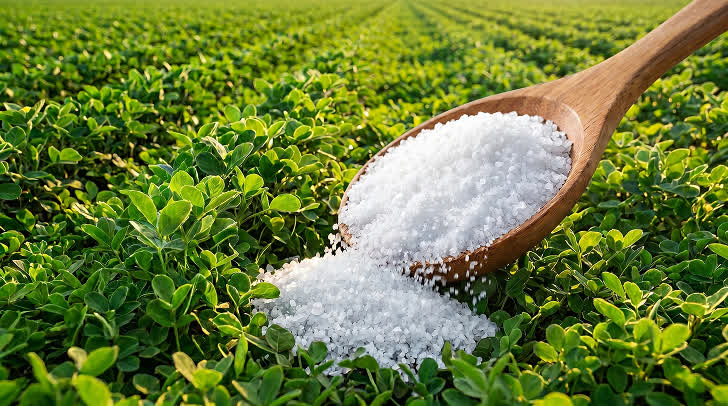
Urea 46
46% nitrogen urea at world-class spec — prilled and granular grades, multi-origin supply via Caspian, Black Sea, and Persian Gulf corridors.
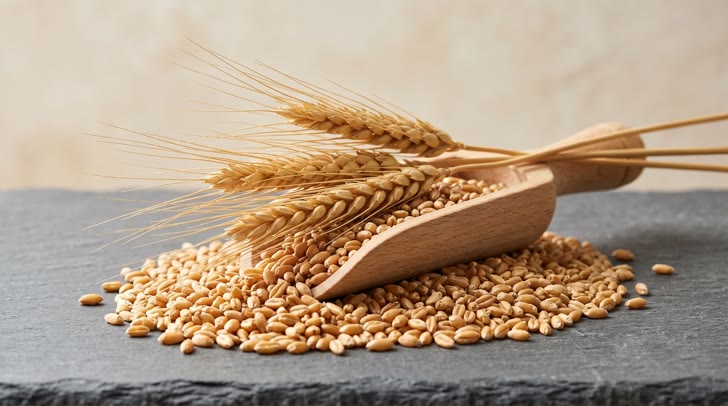
Wheat
Grade 3 milling wheat at world-class spec — bulk supply via the Aktau/Caspian corridor, with alternative origins on request.

Organic Peat Suspension
A natural soil activator based on peat-derived humic and fulvic substances — liquid, concentrated, fertigation-ready.
Baltic Peat
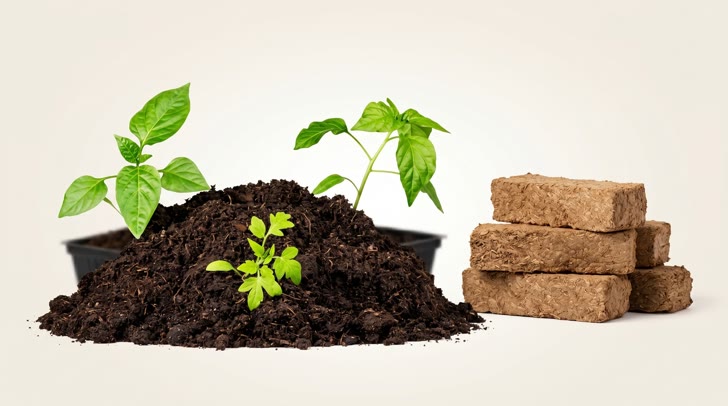
High-moss sphagnum peat from Baltic raised bogs — the reference substrate for professional horticulture.